
Trump’s Latest Immigration Target: Asylum Seekers
USCIS issued new procedural guidance suspending entry for asylum seekers at the southern U.S. border in defiance of humanitarian principles.
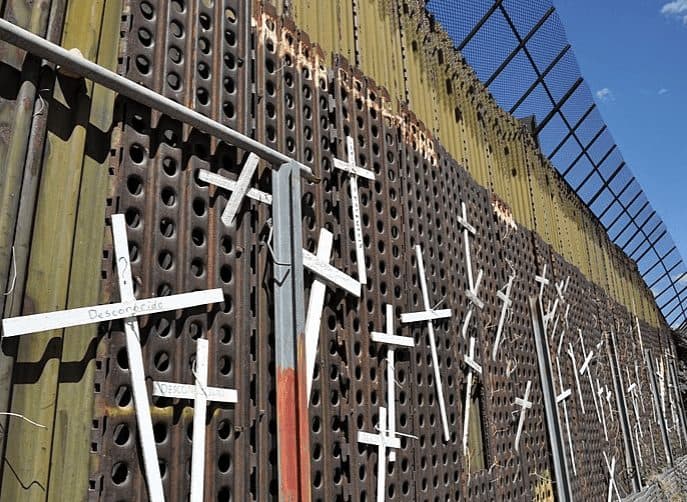
On November 9, 2018, the U.S. Citizenship and Immigration Services issued new procedural guidance essentially suspending entry for asylum seekers at the southern land border.
Under the presidential directive, the new policy places asylum seekers entering the U.S. anywhere other than a port of entry (such as an airport, a harbor, or a U.S. border town via which individuals may legally enter the United States) into expedited deportation proceedings instead of granting them access to the asylum process.
The issue is that legal ports of entry along the U.S.-Mexico border are bottlenecked, forcing despairing immigrants into the immigration limbo as the line to plead asylum grows. The precarious situation has led some migrants to seek refugee status through an illegal crossing.
 With the stroke of a pen, the president has defied the most elementary of humanitarian principles and violated U.S. and international law through fear-mongering, claiming that refugees are flooding our country.
Justice and Homeland Security officials have said that they are negotiating with Mexico to accept deported immigrants, but do not have a time frame for when said negotiations would be finalized. Moving forward, Mexico will grant asylum to immigrants leaving Central America, mainly to those from Guatemala, Honduras, and El Salvador.
The administration’s effectiveness at streamlining deportation proceedings is quite extraordinary considering their inability to get a handle on the process for those attempting to enter the U.S. through designated ports, as mandated by the U.S. law.
Related Posts
In June 2024, President Joe Biden unveiled a transformative immigration plan aimed at providing a pathway to citizenship for migrants.
Immigration took center stage in the presidential debate, with Trump steering the conversation to the border. Here's how the candidates' positions compare.
Title 42 lets the U.S. government expel asylum seekers at the Mexico border. Learn why it was enacted and how it affects immigrants seeking refuge.
Related Visa Guides
The nonimmigrant H-1B visa allows U.S. companies to employ foreign nationals with theoretical or technical knowledge in a specialty occupation.
The EB-3 visa is a third preference employment-based green card for skilled, professional, and in some cases "unskilled" workers.
The EB-5 Investor visa allows permanent US residency (Green Card) to foreign investors who can invest significant capital in US companies.